

Stereotactic Radiosurgery (SRS) Cost in India
Stereotactic radiosurgery (SRS) cost in India typically ranges from $4,500 to $7,000, making it an affordable option for patients seeking advanced non-invasive brain tumor treatment abroad. SRS is a highly precise form of radiation therapy used to treat brain tumors, arteriovenous malformations (AVMs), trigeminal neuralgia, and other neurological conditions without the need for open surgery.
SRS treatment in India uses advanced technologies such as Gamma Knife, CyberKnife, and LINAC-based radiosurgery systems, which deliver high-dose radiation with high precision while protecting surrounding healthy brain tissue. The procedure is usually completed in one or a few sessions, allowing patients to return to normal activities quickly.
India has become a preferred destination for stereotactic radiosurgery medical tourism due to experienced neurosurgeons, advanced cancer centers, and internationally accredited hospitals. Patients benefit from high success rates, minimal recovery time, and significantly lower costs compared to the USA, UK, and Europe, ensuring safe, effective, and accessible treatment.
Estimated Cost of Stereotactic Radiosurgery (SRS) in India
Minimum Cost
$4,500
Maximum Cost
$7,000
Total Hospital Stays
1 day
Cost Range of Stereotactic Radiosurgery (SRS) in India
| Types of SRS Treatment | Treatment Cost In USD |
Gamma Knife Radiosurgery Gamma Knife radiosurgery is a non‑invasive stereotactic technique that delivers precisely focused gamma radiation to intracranial targets. It treats brain tumors, vascular malformations, and functional disorders without incisions, preserving healthy tissue. This outpatient procedure offers a safe, effective alternative to open surgery, enabling rapid recovery with minimal side effects. | 5500 – 7000 USD |
CyberKnife Radiosurgery CyberKnife Radiosurgery is a robotic, non‑invasive system that delivers precisely targeted radiation to tumors anywhere in the body. Using real‑time imaging and motion tracking, it adapts to patient movement, protecting nearby healthy tissue. This outpatient treatment offers a painless alternative to surgery for brain, spine, lung, and prostate lesions with minimal recovery. | 6500 – 7000 USD |
LINAC-Based SRS LINAC-Based SRS uses a linear accelerator to deliver precisely focused radiation beams to intracranial targets in one or few sessions. This non-invasive treatment effectively manages brain tumors, arteriovenous malformations, and functional disorders while preserving surrounding healthy tissue. Patients benefit from a painless outpatient procedure with rapid return to daily activities. | 4500 – 5500 USD |
Proton Beam Therapy (Advanced SRS) Proton Beam Therapy for brain tumors delivers highly focused radiation using the Bragg peak phenomenon, depositing maximum energy directly at the tumor with no exit dose. This spares surrounding healthy brain tissue, making it ideal for complex or pediatric cases. This non‑invasive outpatient treatment offers effective tumor control while preserving cognitive function and quality of life. | 35000 – 65000 USD |
Note: The final cost depends on the technology used, tumor size, number of sessions, and hospital selection.
Types of Stereotactic Radiosurgery
Gamma Knife SRS
Specialized for brain tumors and functional disorders with high precision.
CyberKnife SRS
Robotic system allowing flexible treatment for brain, spine, and body tumors.
LINAC-Based SRS
Widely available and cost-effective radiation therapy system.
Proton Beam Therapy
Advanced treatment offering minimal damage to surrounding tissues.
How Much Does Stereotactic Radiosurgery Cost in India?
For most international patients, the complete SRS treatment package, including radiation therapy sessions, hospital stay, planning, and medications, ranges between USD 4,500 and USD 7,000.
Costs may increase if:
- Multiple treatment sessions are required
- Advanced technologies like Proton Therapy are used
- Tumor is complex or located in critical areas
- Additional diagnostics are needed
Even with advanced technology, India offers 60–80% savings compared to the USA and Europe.
Cost Comparison: India vs Other Countries
| Country | Approx. Cost (USD) |
| India | $4,500 – $7,500 |
| Turkey | $10,000 – $18,000 |
| UAE | $18,000 – $28,000 |
| USA | $135,000 – $180,000 |
Transparent Pricing for Better Healing.
We believe that great care starts with trust. That’s why we ensure complete transparency in our treatment pricing—no surprises, no hidden fees, just honest and clear costs for the care you deserve.
What Is Stereotactic Radiosurgery (SRS)?
Stereotactic radiosurgery (SRS) is a non-surgical radiation therapy that delivers highly focused radiation to a targeted area, such as a brain tumor or vascular abnormality. Despite the name, it does not involve incisions. Instead, it achieves surgical-level precision using advanced imaging and radiation technology.
How the SRS Procedure Works
- Detailed imaging (MRI/CT scan)
- Treatment planning and mapping
- Immobilization using mask or frame
- Delivery of high-dose radiation
- Post-treatment observation
Who Needs Stereotactic Radiosurgery?
SRS is suitable for patients with:
- Small to medium-sized brain tumors
- Brain metastases
- Arteriovenous malformations (AVMs)
- Trigeminal neuralgia
- Inoperable or high-risk tumors
- Recurrence after surgery or radiation
Treatment is recommended after evaluation by a radiation oncologist.
Stereotactic Radiosurgery Cost Inclusions
- Radiation therapy sessions
- Treatment planning and simulation
- Hospital stay (if required)
- Routine medications and consumables
- First consultation
Brain Tumor Surgery Cost Exclusions
Flights & accommodation
Extended hospital stay
Blood products
Post-operative long-term therapy
Management of complications
Diagnostic Tests Before Brain Tumor Surgery
| Diagnostic Test | Approx. Cost (USD) |
| Blood Tests | $50 – $100 |
| CT / MRI Brain | $150 – $250 |
| Neurological Evaluation | Included |
| Angiography (if required) | $200 – $300 |
Recovery After Stereotactic Radiosurgery
- Hospital stay: same day or 1 day
- Initial recovery: 1–3 days
- Resume normal activities: within a few days
Most patients experience minimal side effects and quick recov
Why Choose India for Stereotactic Radiosurgery?
- Affordable non-invasive treatment
- Highly experienced specialists
- Advanced technologies (Gamma Knife, CyberKnife)
- Internationally accredited hospitals
- Minimal waiting time
- Dedicated international patient support
Hospisity manages the entire journey from diagnosis to recovery.
Why Choose HOSPISITY?
- Connect with India’s top Neuro oncology specialists
- End-to-end support: visa, travel, treatment, recovery
- Dedicated relationship managers (HREs)
- 100% transparency and personalized packages
- 24/7 patient coordination
- Post-discharge follow-up
- Multilingual patient support
Best Doctors for Stereotactic Radiosurgery in India



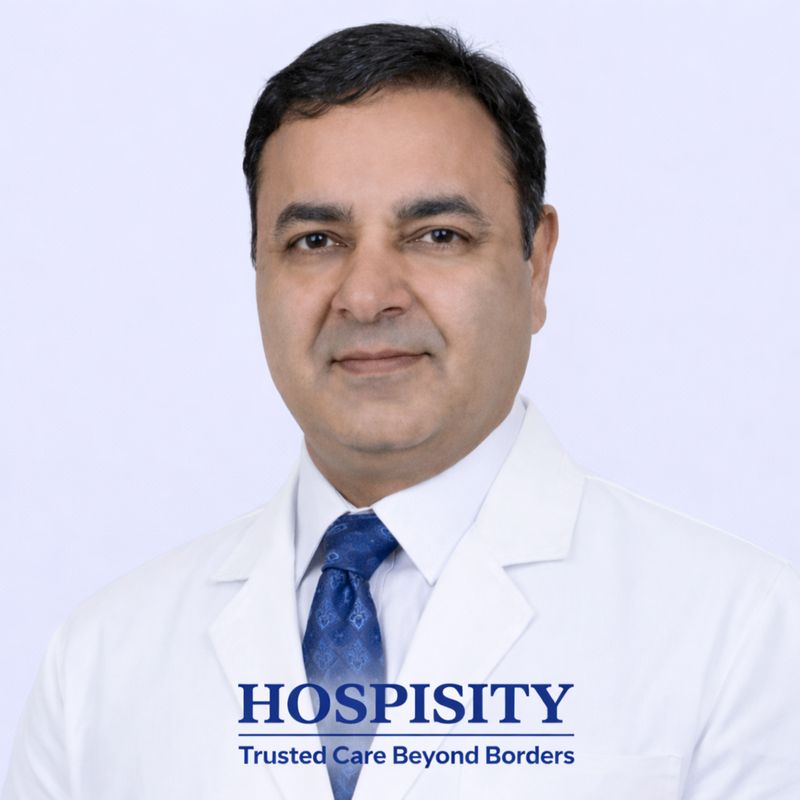

Dr.Aditya Gupta
Chairperson - Neurosurgery & CNS Radiosurgery
Artemis Hospital
Gurugram
32+ Years Experience

Dr. Sandeep Vaishya
Executive Director & HOD, Neurosurgery
Fortis Memorial Research Institute
30+ Years Experience

Dr. Deshpande Vasudevarao Rajakumar
Director Neuro Surgery
Fortis Hospital, Bangalore
31+ Years Experience

Dr. Subodh Chandra Pande
Chief - Radiation Oncology & Co-Chief - Cyberknife Centre
Artemis Hospital,Gurugram
45 Years+ Experience
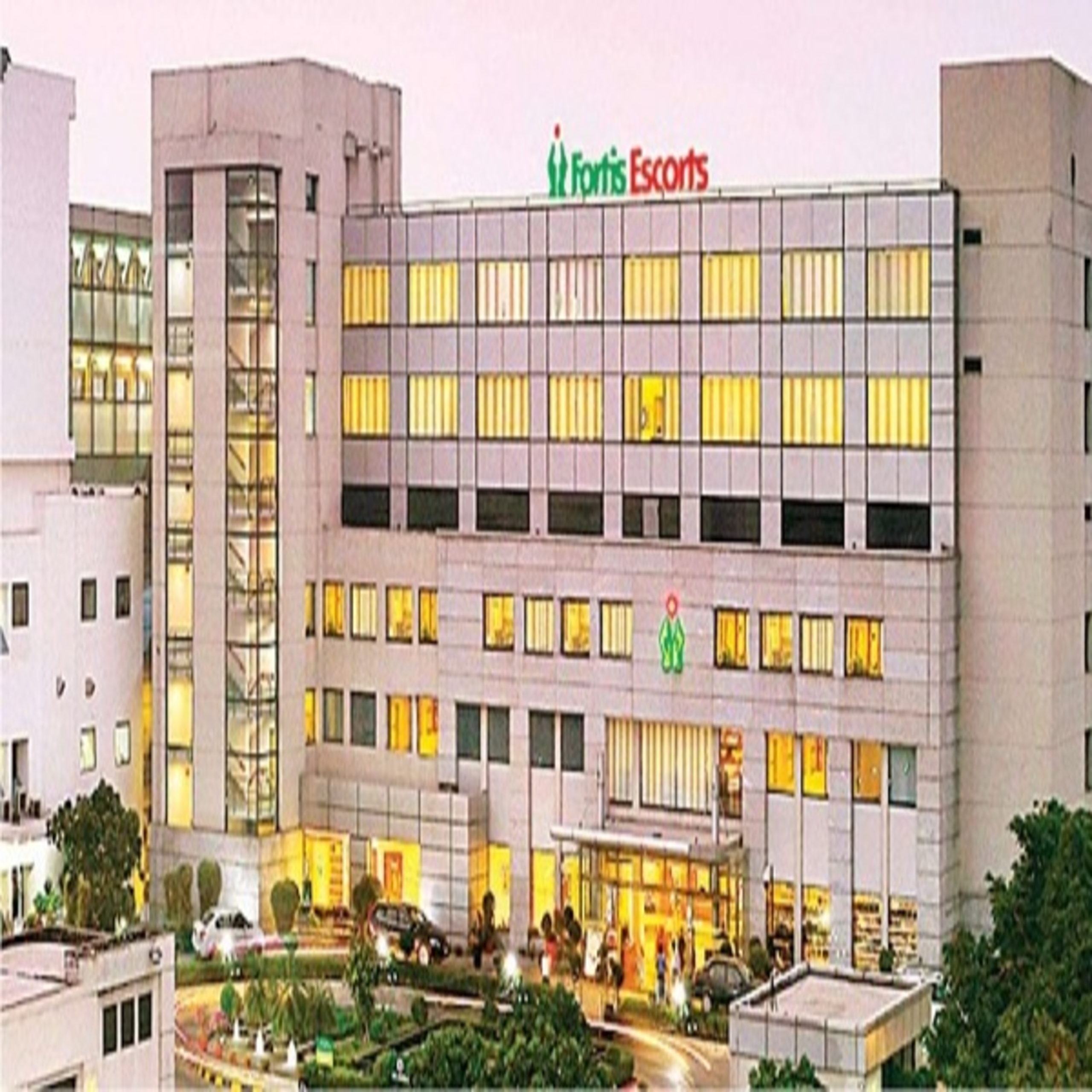
Best Hospitals for Stereotactic Radiosurgery in India


Frequently Asked Questions (FAQs)
The cost typically ranges from $4,500 to $7,000, depending on the technology and treatment complexity.
Yes. Hospisity offers free medical opinions and cost estimates once you share your medical reports. This helps you plan your travel, budget, and treatment options with clarity.
SRS is non-invasive and has minimal recovery time, making it ideal for selected patients, but suitability depends on tumor type.
Most treatments are completed in 1 to 5 sessions, depending on the condition.
It depends on tumor size, location, and type; surgeons decide the best approach.
You can choose from private hospital rooms, nearby hotels, serviced apartments, or guest houses. Hospisity helps you book safe, affordable accommodation for you and your attendant.
No. Payments are usually made after arrival at the hospital, except in cases where advance admission or special preparation is required. Hospisity will guide you transparently.
You can send reports via WhatsApp, email, or secure upload. Hospisity ensures your documents reach the right specialists for evaluation within 24–48 hours.
You should bring:
- Passport & medical visa
- Previous medical records and prescriptions
- Imaging CDs/scans
- Medical summaries
- Your local doctor’s consultation notes
Hospisity will provide a checklist to make travel easier.
Yes, it is a safe and widely used treatment with high precision and minimal risk.
Most patients recover within 1–3 days and can resume normal activities quickly.
SRS can shrink or control tumors effectively, but outcomes depend on tumor type and size.
Patients with small to medium tumors or inoperable conditions are ideal candidates.
No, SRS is typically performed without general anesthesia.
Yes, most patients can travel within 2–3 days after treatment.
You can connect with Hospisity for:
- Free consultation
- Doctor and hospital selection
- Personalized cost estimate