
Selective Dorsal Rhizotomy (SDR) Surgery Cost in India
Selective Dorsal Rhizotomy (SDR) surgery cost in India ranges from $5,000 to $12,000 USD, approximately ₹4,25,000 to ₹10,50,000 INR, depending on the child’s condition, severity of spasticity, surgical technique, rehabilitation duration, and hospital selection. This makes India a cost-effective destination for families seeking advanced cerebral palsy treatment abroad.
SDR surgery in India is a specialized neurosurgical procedure used to reduce muscle stiffness in children with spastic cerebral palsy, especially spastic diplegia. The procedure involves selectively cutting abnormal sensory nerve fibers to improve muscle control, walking ability, balance, and overall mobility.
India has become a preferred destination for SDR surgery medical tourism due to highly experienced pediatric neurosurgeons, modern hospitals, and dedicated rehabilitation centers. Patients benefit from structured physiotherapy programs, high success rates, and significantly lower costs compared to the USA, UK, and Europe, ensuring safe, effective, and long-term improvement in quality of life.
Estimated Cost of Selective Dorsal Rhizotomy (SDR) Surgery in India
Minimum Cost
$5,000
Maximum Cost
$12,000
Total Hospital Stays
3 days
Cost Range of Selective Dorsal Rhizotomy (SDR) Surgery in India
| Types of Selective Dorsal Rhizotomy SDR Surgery | Treatment Cost In USD |
Traditional (Open) SDR Traditional (Open) SDR is a neurosurgical procedure for spastic cerebral palsy. Through a single laminectomy incision, sensory nerve rootlets are exposed and electrically stimulated to identify hyperactive ones, which are then partially cut. This reduces lower limb spasticity while preserving strength, improving mobility and function. Recovery typically requires several weeks. | 5,000 – 9,000 USD |
Minimally Invasive SDR Minimally Invasive SDR (Selective Dorsal Rhizotomy) uses a single small incision and single-level laminectomy to reduce lower limb spasticity in cerebral palsy. With intraoperative monitoring, it precisely targets abnormal sensory nerves. This approach preserves spinal stability and promotes faster recovery, enabling earlier mobility and therapy. | 6,500 – 9,500 USD |
Single-Level Laminectomy SDR Single-Level Laminectomy SDR uses a small incision and removal of only one vertebral lamina to access and divide hyperactive sensory nerve roots. This targeted approach reduces lower limb spasticity in cerebral palsy while preserving spinal stability. Patients benefit from shorter recovery, earlier rehabilitation, and lasting improvements in gait and motor function. | 7,000 – 9,500 USD |
Multi-Level Laminectomy SDR Multi-Level Laminectomy SDR involves removing several vertebral laminae to access and selectively divide hyperactive sensory nerve roots across multiple spinal levels. This comprehensive approach effectively reduces spasticity throughout the lower limbs. Patients achieve improved mobility, greater walking ease, and sustained functional gains, supported by targeted rehabilitation. | 8,000 – 12,000 USD |
Types of Selective Dorsal Rhizotomy (SDR) Surgery
Traditional (Open) SDR
A standard surgical approach where the surgeon opens the lower spine to selectively cut overactive sensory nerves causing muscle spasticity.
Minimally Invasive SDR
Performed using smaller incisions and specialized microsurgical instruments to reduce tissue trauma and recovery time.
Single-Level Laminectomy SDR
A modern technique involving access through a single spinal level to minimize bone removal and speed rehabilitation.
Multi-Level Laminectomy SDR
An older but effective technique where multiple vertebral levels are opened to access nerve roots in complex cases.
How Much Does Selective Dorsal Rhizotomy (SDR) Surgery Cost in India?
For most international patients, the complete SDR surgery package, including surgeon fees, hospital stay, anesthesia, medications, and initial rehabilitation, ranges between USD 5,000 and USD 12,000.
Costs may increase if:
- Advanced minimally invasive techniques are used
- Long-term rehabilitation is required
- Additional orthopedic procedures are combined
- Extended physiotherapy sessions are advised
- The child has associated neurological complications
Even with advanced pediatric neurosurgical care, India offers savings of 60–80% compared to the USA, UK, or Europe.
Cost Comparison: India vs Other Countries
| Country | Approx. Cost (USD) |
| India | $5,000 – $12,000 |
| Turkey | $15,000 – $22,000 |
| UAE | $20,000 – $30,000 |
| USA | $45,000 – $70,000 |
Transparent Pricing for Better Healing.
We believe that great care starts with trust. That’s why we ensure complete transparency in our treatment pricing—no surprises, no hidden fees, just honest and clear costs for the care you deserve.
What Is Selective Dorsal Rhizotomy (SDR) Surgery?
Selective Dorsal Rhizotomy (SDR) is a specialized neurosurgical procedure performed to reduce muscle stiffness caused by spastic cerebral palsy. During the surgery, selected sensory nerve fibers in the lower spinal cord are identified and carefully cut to stop abnormal signals responsible for muscle tightness.
The procedure helps improve walking ability, balance, posture, and overall mobility while making physiotherapy more effective. SDR is considered a long-term treatment option for carefully selected children with spastic diplegia cerebral palsy.
How the Selective Dorsal Rhizotomy (SDR) Procedure Works
- Pre-operative neurological and gait assessment
- MRI and mobility evaluation
- General anesthesia administration
- Exposure of lower spinal nerves
- Identification and selective cutting of overactive nerve fibers
- Closure and ICU monitoring
- Intensive post-operative physiotherapy rehabilitation
Who Needs Selective Dorsal Rhizotomy (SDR) Surgery?
Selective Dorsal Rhizotomy (SDR) surgery may be recommended for children with:
- Spastic diplegic cerebral palsy
- Severe lower limb muscle stiffness
- Difficulty walking due to spasticity
- Toe-walking caused by muscle tightness
- Reduced progress despite regular physiotherapy
- Increased risk of future joint deformities
Treatment suitability is decided after a detailed evaluation by a pediatric neurosurgeon and rehabilitation team.
Selective Dorsal Rhizotomy (SDR) Surgery Cost – Inclusions
- Surgeon, anesthesia & OT charges
- Nursing care
- Hospital stay & meals
- Pre-operative consultations
- Routine medications
- Initial physiotherapy sessions
- Dressing & first follow-up
Selective Dorsal Rhizotomy (SDR) Surgery Cost -Exclusions
- Flights & accommodation
- Extended hospital stay
- Advanced investigations
- Long-term rehabilitation sessions
- Management of complications
- Treatment of unrelated conditions
- Post-discharge therapy expenses
Diagnostic Tests Before Selective Dorsal Rhizotomy (SDR) Surgery
| Diagnostic Test | Approx. Cost (USD) |
| Neurological Evaluation | 25-30 |
| Gait & Mobility Assessment | $50 – $80 |
| MRI Brain & Spine | $300 – $500 |
Recovery After Selective Dorsal Rhizotomy (SDR) Surgery
- ICU stay: 1–2 days
- Hospital stay: 4–7 days
- Rehabilitation period: 6–12 months
- Intensive physiotherapy required
- Gradual improvement in walking and balance
- Long-term mobility gains expected
Most children experience improved flexibility, better walking ability, and enhanced independence after structured rehabilitation.
Why Choose India for Selective Dorsal Rhizotomy (SDR) Surgery?
- Affordable pediatric neurosurgery packages
- Highly experienced pediatric neurosurgeons
- Advanced neuro-monitoring and rehabilitation support
- Internationally accredited hospitals
- Minimal waiting time
- Dedicated international patient services
- Comprehensive physiotherapy programs
Hospisity manages the entire treatment journey from diagnosis to rehabilitation and recovery.
Why Choose HOSPISITY?
Personalised care coordination from consultation to recovery
Access to India’s top spine surgeons and hospitals
Transparent pricing & zero hidden charges
Visa and travel assistance for international patients
Dedicated care concierge and post-op follow-up
Best Doctors for SDR Surgery in India


Dr. Anurag Saxena
Head of the Department of Neurosurgery
Manipal Hospitals Dwarka
20+ Years Experience
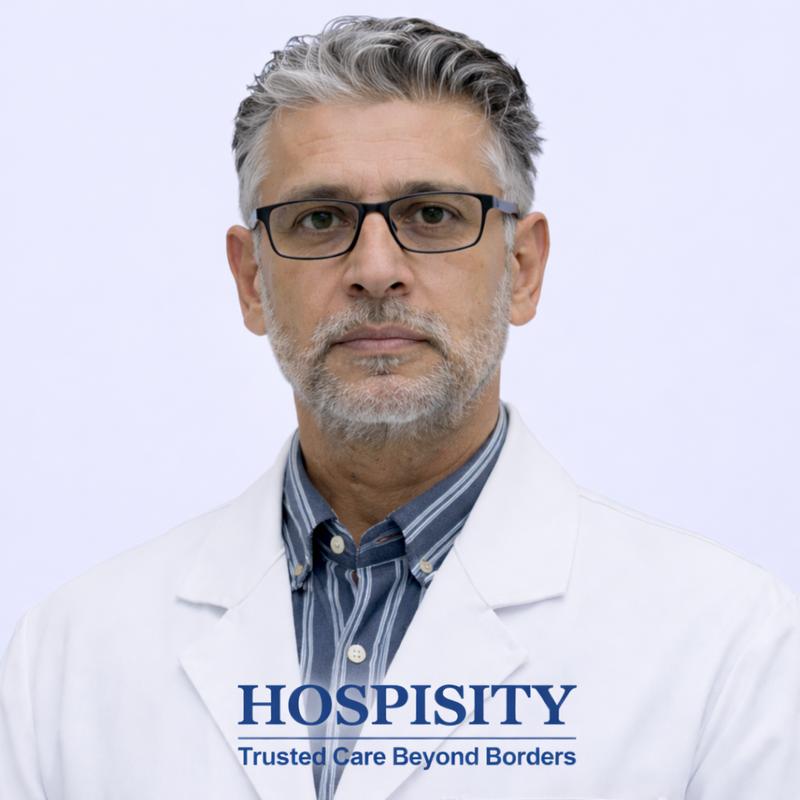
Dr. Sandeep Vaishya
Executive Director & HOD, Neurosurgery
Fortis Memorial Research Institute
30+ Years Experience
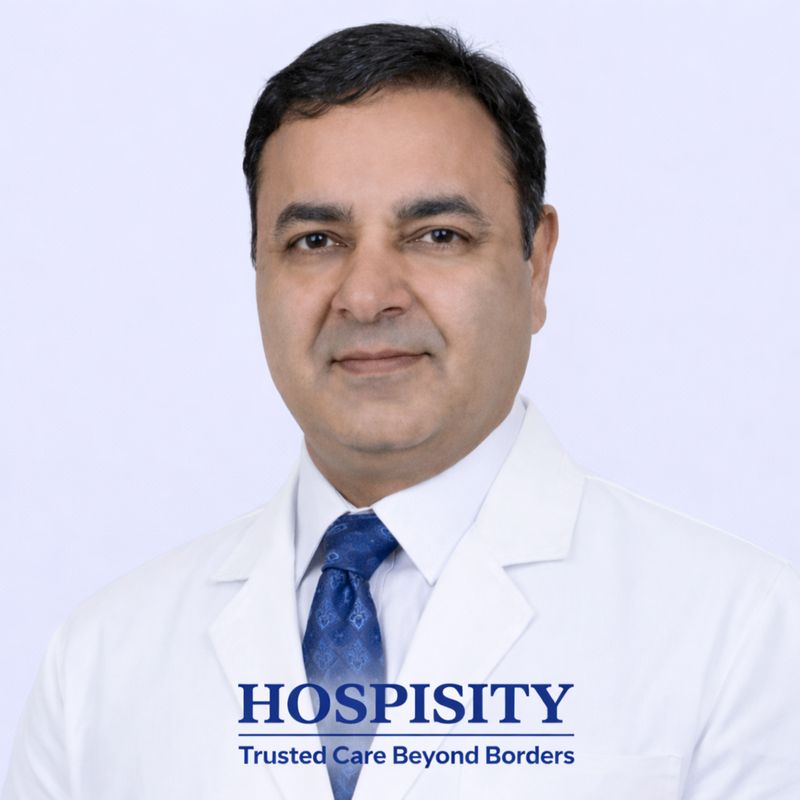

Dr. Paresh K. Doshi
Director, Stereotactic & Functional Neurosurgery
Jaslok Hospital & Research Centre
30+ Years Experience

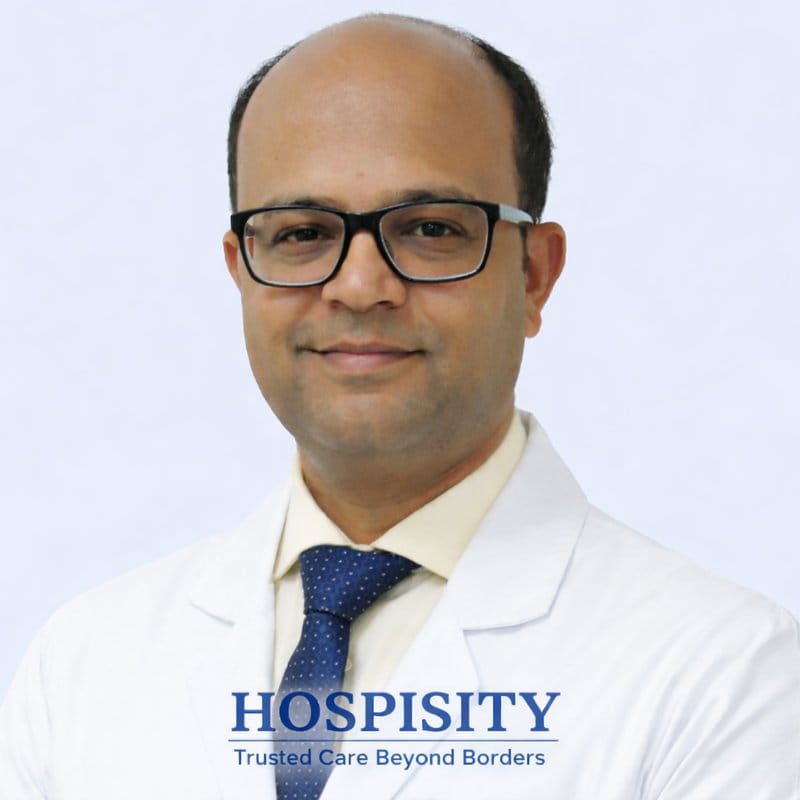
Dr. Sumit goyal
Director & HOD of Neurosurgery , Group Director of Neurointervention
Yatharth Super Speciality Hospital, Greater Noida
15+ Years Experience
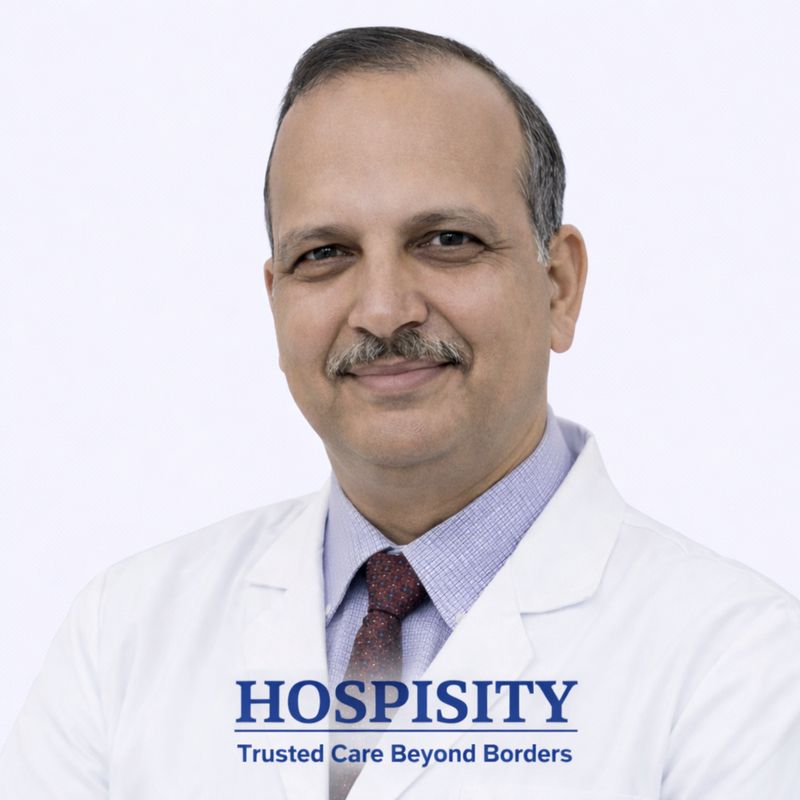
Dr. Prakash Singh
Director & Unit Head, Neurosurgery
Max Super Speciality Hospital, Saket, Delhi
35+ Years Experience
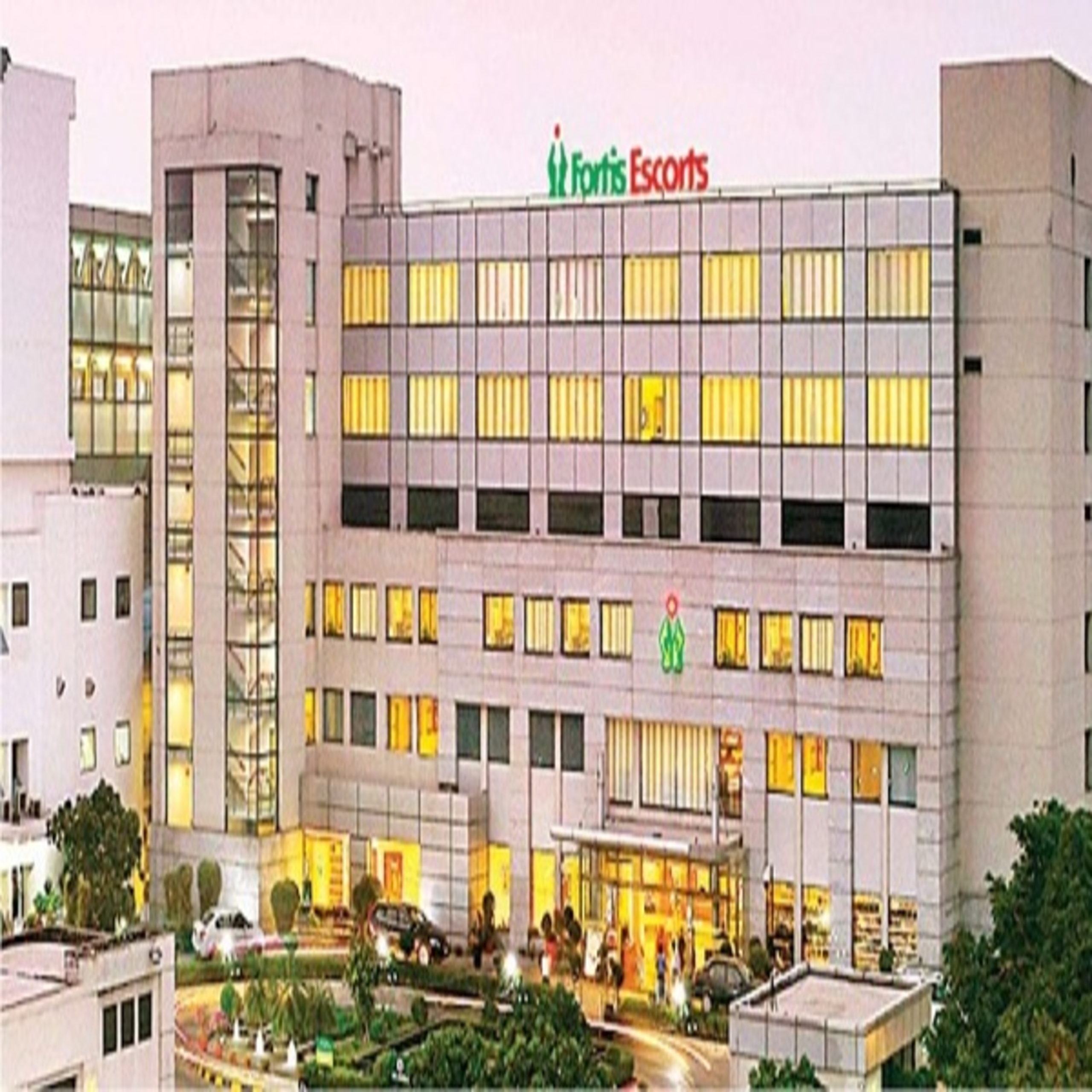
Best Hospitals for SDR Surgery in India


FAQs –Selective Dorsal Rhizotomy (SDR) Surgery in India
Selective Dorsal Rhizotomy (SDR) is a neurosurgical procedure used to reduce muscle stiffness (spasticity) in children with cerebral palsy. During the surgery, selected sensory nerve fibers in the spinal cord are cut to reduce abnormal muscle tightness and improve mobility.
The cost of SDR surgery in India usually ranges from $5,000 to $12,000, depending on the hospital, surgeon’s expertise, rehabilitation requirements, and surgical technique used.
India offers affordable medical treatment due to lower operational costs while maintaining international healthcare standards. Patients can save up to 70–80% compared to treatment costs in the USA or UK.
Children with spastic diplegic cerebral palsy who have tight leg muscles, difficulty walking, and good muscle strength are usually considered ideal candidates for SDR surgery.
SDR surgery is commonly recommended for children between 3 and 12 years of age, although older children may also be evaluated based on their condition and mobility goals
The surgery usually takes around 3 to 5 hours, depending on the complexity of the case and the surgical technique used.
Most children stay in the hospital for 4 to 7 days after surgery, followed by rehabilitation and physiotherapy.
Yes. Intensive physiotherapy is one of the most important parts of recovery after SDR surgery. Rehabilitation may continue for 6 to 12 months to achieve the best mobility outcomes.
SDR surgery does not cure cerebral palsy, but it can permanently reduce muscle spasticity and significantly improve walking ability, balance, and quality of life.
Benefits of SDR surgery may include:
- Reduced muscle stiffness
- Improved walking ability
- Better posture and balance
- Reduced pain and muscle spasms
- Easier physiotherapy and rehabilitation
- Improved independence in daily activities
Like any surgical procedure, SDR surgery carries some risks, including infection, weakness, sensory changes, or spinal fluid leakage. However, complications are uncommon when performed by experienced pediatric neurosurgeons.
Most children begin assisted movement and physiotherapy within a few days after surgery. Walking improvements usually develop gradually over several months with rehabilitation.
Several leading hospitals in India offer SDR surgery with advanced pediatric rehabilitation support, including Apollo Hospitals, Fortis Hospitals, Max Healthcare, Artemis Hospital, and Medanta.
Common tests before SDR surgery include:
- MRI Brain and Spine
- Neurological evaluation
- Gait analysis
- Physical therapy assessment
- Blood tests and anesthesia clearance
Yes. Hospisity provides complete support for international patients, including:
- Doctor and hospital selection
- Medical visa assistance
- Travel and accommodation support
- Cost estimates and treatment planning
- Airport transfers
- Post-treatment follow-up assistance
You can contact Hospisity with the child’s medical reports, MRI scans, and treatment history to receive a personalized treatment plan and free cost estimate from leading pediatric neurosurgeons in India.
Need Selective Dorsal Rhizotomy (SDR) Surgery in India?
Get a Free Cost EstimateChat with Pediatric NeurosurgeonTop Doctors By Specialty
- Best Liver Transplant Doctors in India
- Best Cancer Doctors in India
- Best Cardiology Treatment Doctors in India
- Best Neurology Doctors in India
- Best Spine Surgery Doctors in India
- Best Orthopedic Treatment Doctors in India
- Best Urology Doctors in India
- Best ENT Doctors in India
- Best Kidney Transplant Doctors in India
- Best Bone Marrow Transplant Doctors in India
Top Hospitals By Specialty
- Best Organ Transplant Hospitals in India
- Best Cancer Hospitals in India
- Best Cardiology Treatment Hospitals in India
- Best Neurology Hospitals in India
- Best Spine Surgery Hospitals in India
- Best Orthopedic Treatment Hospitals in India
- Best Urology Hospitals in India
- Best ENT Hospitals in India
- Best Ophthalmology Hospitals in India
- Best Obesity Hospitals in India