

Hydrocephalus Treatment Cost in India
Hydrocephalus treatment cost in India typically ranges from $2,000 to $5,000, making it an affordable option for patients seeking advanced neurosurgery treatment abroad. Hydrocephalus is a neurological condition caused by the buildup of excess cerebrospinal fluid (CSF) in the brain, which increases pressure and can lead to serious complications if not treated in time.
Hydrocephalus treatment in India includes advanced procedures such as VP shunt surgery, endoscopic third ventriculostomy (ETV), and neuroendoscopic techniques, depending on the patient’s age and condition. These treatments aim to restore normal fluid flow and reduce pressure on the brain, improving symptoms and preventing long-term damage.
India has emerged as a preferred destination for hydrocephalus medical tourism due to highly experienced neurosurgeons, modern neuro centers, and internationally accredited hospitals. Patients benefit from high success rates, structured post-operative care, and significantly lower costs compared to the USA, UK, and Europe, ensuring safe, effective, and accessible treatment for both adults and children.
Estimated Cost of Hydrocephalus Treatment in India
Minimum Cost
$2,000
Maximum Cost
$5,000
Total Hospital Stays
4 days
Cost Range of Hydrocephalus Treatment in India
| Types of Hydrocephalus Treatment | Treatment Cost In USD |
| VP Shunt Surgery (Ventriculoperitoneal Shunt)VP Shunt Surgery diverts excess cerebrospinal fluid from the brain’s ventricles to the peritoneal cavity using a flexible tube with a pressure-regulating valve. This procedure effectively treats hydrocephalus by reducing intracranial pressure, protecting brain function, and improving neurological outcomes. The implanted system works automatically, providing long-term fluid balance and enhancing patient comfort and daily activities. | 5000 – 6500 USD |
| Endoscopic Third Ventriculostomy (ETV)Endoscopic Third Ventriculostomy (ETV) is a minimally invasive procedure that creates an opening in the floor of the third ventricle using an endoscope. This allows cerebrospinal fluid to bypass an obstruction and flow freely, relieving hydrocephalus without an implanted shunt. Benefits include reduced risk of long-term complications, preserved brain function, and improved quality of life for suitable patients. | 6500 – 7700 USD |
| ETV + CPC (Choroid Plexus Cauterization)ETV with Choroid Plexus Cauterization (CPC) combines endoscopic third ventriculostomy with cauterization of the choroid plexus to reduce cerebrospinal fluid production. This dual approach effectively treats hydrocephalus, especially in infants, by improving fluid circulation and absorption. It offers a valuable alternative to shunting, promoting better long-term outcomes and reducing the need for future interventions. | 7500 – 8500 USD |
Neuroendoscopy | 7000 – 8300 USD |
Medication Management (Temporary) | 7000 – 8300 USD |
Treatment of Underlying Cause | 7000 – 8300 USD |
Note:The final cost depends on the type of procedure, device used, hospital selection, and patient condition.
Types of Hydrocephalus Treatment
VP Shunt Surgery
A commonly used treatment where a shunt system diverts excess fluid from the brain to another part of the body.
Endoscopic Third Ventriculostomy (ETV)
A minimally invasive procedure that creates a new pathway for fluid drainage.
ETV + CPC
Combines fluid diversion with reduced CSF production.
Neuroendoscopy
Advanced technique used for complex or obstructive hydrocephalus cases.
How Much Does Brain Tumor Surgery Cost in India?
For most international patients, the complete hydrocephalus treatment package, including surgeon fees, hospital stay, anesthesia, and medications, ranges between USD 2,000 and USD 6,000.
Costs may increase if:
- Advanced or programmable shunt devices are used
- Patient has complex neurological conditions
- ICU stay is required
- Additional procedures or revisions are needed
Even with advanced technology, India offers 60–70% savings compared to the USA and Europe.
Cost Comparison: India vs Other Countries
| Country | Approx. Cost (USD) |
| India | $2,000 – $5,000 |
| Turkey | $6,000 – $12,000 |
| UAE | $10,000 – $18,000 |
| USA | $30,000 – $70,000 |
Transparent Pricing for Better Healing.
We believe that great care starts with trust. That’s why we ensure complete transparency in our treatment pricing—no surprises, no hidden fees, just honest and clear costs for the care you deserve.
What Is Hydrocephalus?
Hydrocephalus is a neurological condition caused by an abnormal accumulation of cerebrospinal fluid (CSF) in the brain, leading to increased pressure on brain tissues. It can be present at birth (congenital) or develop later due to infections, tumors, brain injuries, or bleeding.
Symptoms may vary by age but often include headaches, nausea, vision problems, balance issues, and cognitive difficulties. Early diagnosis and treatment are essential to prevent complications and improve outcomes.
How the Hydrocephalus Treatment Procedure Works
- Diagnostic imaging (MRI, CT scan)
- Evaluation of CSF flow and pressure
- Surgical intervention (shunt placement or ETV)
- Post-operative monitoring
- Long-term follow-up and adjustments
Who Needs Hydrocephalus Treatment?
Hydrocephalus treatment is suitable for patients with:
- Congenital hydrocephalus in infants
- Post-infection or post-meningitis hydrocephalus
- Brain tumors causing CSF blockage
- Head injury-related hydrocephalus
- Normal pressure hydrocephalus (NPH) in elderly
- Post-stroke or hemorrhage-related hydrocephalus
Treatment is decided after detailed neurological evaluation.
Hydrocephalus Treatment Cost Inclusions
- Surgeon, anesthesia & OT charges
- Hospital stay & meals
- Shunt device (if applicable)
- Pre-operative consultations
- Routine medications and consumables
- Initial follow-up
Hydrocephalus Treatment Cost Exclusions
- Flights & accommodation
- Extended ICU or hospital stay
- Long-term follow-up
- Management of complications
- Treatment of unrelated conditions
Diagnostic Tests Before Brain Tumor Surgery
| Diagnostic Test | Approx. Cost (USD) |
| Blood Tests | $50 – $100 |
| CT / MRI Brain | $150 – $250 |
| Neurological Evaluation | Included |
| Cardiac Clearance | $80 – $150 |
Recovery After Hydrocephalus Treatment
- ICU stay: 1–2 days
- Hospital stay: 4–7 days
- Initial recovery: 2–3 weeks
- Full recovery: varies by condition
Most patients experience relief from symptoms and improved neurological function after treatment.
Why Choose India for Hydrocephalus Treatment?
- Affordable neurosurgical care
- Highly experienced neurosurgeons
- Advanced treatment techniques (ETV, VP Shunt)
- Internationally accredited hospitals
- Minimal waiting time
- Dedicated international patient support
Hospisity manages the entire journey from diagnosis to recovery.
Why Choose HOSPISITY?
Connect with India’s top neurosurgeon.
End-to-end support: visa, travel, treatment, recovery
Dedicated relationship managers (HREs) for every patient
100% transparency and personalized packages
24/7 patient coordination and assistance
Post-discharge follow-up and virtual consultations
Multilingual Patient Support for International Travelers
Best Doctorss for Hydrocephalus Treatment in India



Dr.Anil Kumar Kansal
Principal Director & HOD - Neuro Surgery & Neuro Spine
BLK-Max Superspeciality Hospital
29+ Years Experience

Dr. Sandeep Vaishya
Executive Director & HOD, Neurosurgery
Fortis Memorial Research Institute
30+ Years Experience




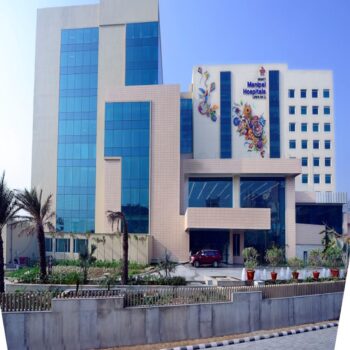
Best Hospitals for Hydrocephalus Treatment in India



Frequently Asked Questions (FAQs)
The cost ranges from $2,000 to $5,000, depending on the procedure and patient condition.
Yes. Hospisity offers free medical opinions and cost estimates once you share your medical reports. This helps you plan your travel, budget, and treatment options with clarity.
Typically 3–6 hours, depending on tumor complexity.
VP shunt surgery is the most commonly performed treatment.
Yes, it is safe and performed by experienced neurosurgeons using advanced techniques.
You can choose from private hospital rooms, nearby hotels, serviced apartments, or guest houses. Hospisity helps you book safe, affordable accommodation for you and your attendant.
No. Payments are usually made after arrival at the hospital, except in cases where advance admission or special preparation is required. Hospisity will guide you transparently.
You can send reports via WhatsApp, email, or secure upload. Hospisity ensures your documents reach the right specialists for evaluation within 24–48 hours.
You should bring:
- Passport & medical visa
- Previous medical records and prescriptions
- Imaging CDs/scans
- Medical summaries
- Your local doctor’s consultation notes
Hospisity will provide a checklist to make travel easier.
Most patients recover within 2 to 4 weeks, depending on the treatment type.
Some treatments provide long-term relief, but regular follow-up is often required.
Common symptoms include headaches, nausea, vision problems, and balance issues.
The procedure usually takes 1 to 3 hours.
Yes, infants and children commonly undergo treatment, especially for congenital cases.
Shunts can last several years but may require monitoring or replacement.
Most patients can travel within 10–14 days, depending on recovery.