

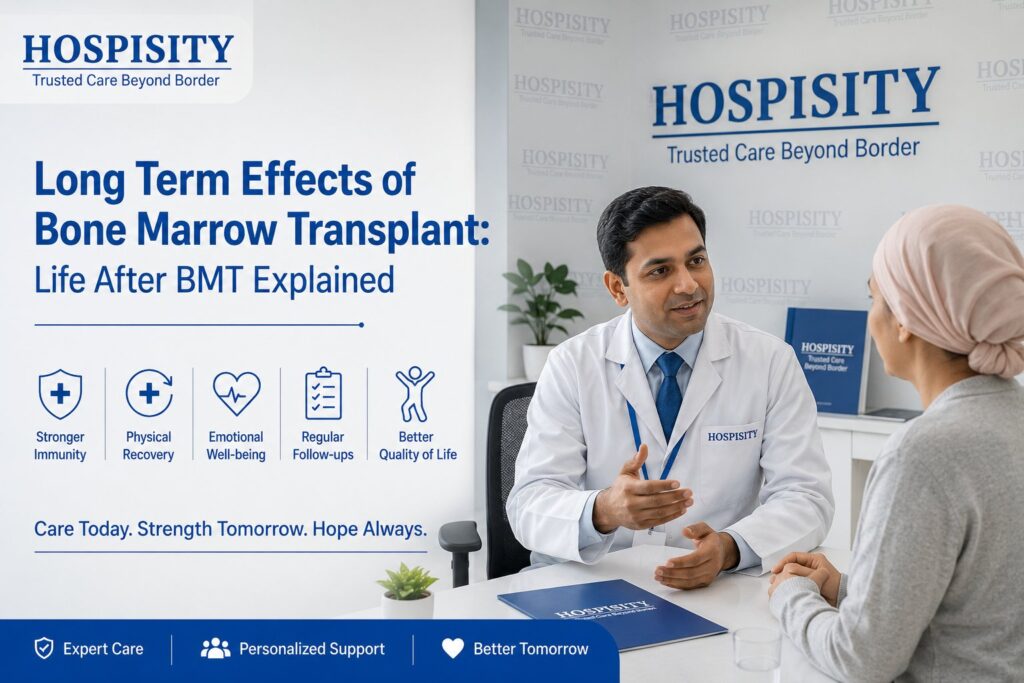
Long Term Effects of Bone Marrow Transplant
A bone marrow transplant can be life-saving. It replaces damaged bone marrow with healthy stem cells and gives patients a new chance at normal blood cell production.
But recovery does not end when you leave the hospital. Many patients want to know what life looks like months or even years later. This is where understanding the long term effects of bone marrow transplant becomes important.
Some people return to a normal routine. Others may experience ongoing changes in their health. These effects depend on the type of transplant, overall health, and how the body responds.
Doctors often remind patients that healing is a long journey. With proper care and follow-up, most long-term challenges can be managed well.
What Are the Long Term Effects of Bone Marrow Transplant?
The long term effects of bone marrow transplant are physical and emotional changes that may appear months or years after the procedure. These can include fatigue, immune system weakness, hormonal changes, and organ-related issues. Most effects are manageable with regular follow-up care and a healthy lifestyle.
Quick Summary
- Long-term effects vary from person to person
- Immune system recovery may take months or years
- Some patients experience lasting fatigue or hormonal changes
- Regular follow-up helps manage long-term complications
What Happens After Bone Marrow Transplant in the Long Run?
After the initial recovery, the body continues to heal internally. Blood cells stabilise, and the immune system slowly rebuilds.
However, this process is not always smooth. Some patients notice changes that last beyond the first year. These are often referred to as long-term complications.
Doctors monitor patients regularly to detect any issues early. Early management improves long-term outcomes.
Why Do Long-Term Effects Occur After Transplant?
Bone marrow transplant is an intense treatment. It involves high-dose chemotherapy or radiation, followed by infusion of stem cells.
This process affects many systems in the body.
Long-term effects may occur due to:
- Damage from chemotherapy or radiation
- Immune system changes
- Donor cell reactions in allogeneic transplants
Understanding this helps patients stay alert and informed.
Common Physical Long-Term Effects of Bone Marrow Transplant
Physical changes are among the most noticeable long-term effects.
Persistent Fatigue
Many patients feel tired even months after treatment. This is part of the body’s healing process.
Energy levels usually improve gradually, but some patients may need more time.
Weakened Immune System
Immune recovery can take a long time.
Patients may:
- Catch infections easily
- Need vaccinations again
- Follow strict hygiene practices
Organ Function Changes
Some organs may be affected during treatment.
These include:
- Liver
- Kidneys
- Lungs
Doctors monitor organ function regularly to manage any issues early.
Transparent Pricing for Better Healing.
We believe that great care starts with trust. That’s why we ensure complete transparency in our treatment pricing—no surprises, no hidden fees, just honest and clear costs for the care you deserve.
Graft-Versus-Host Disease and Its Long-Term Impact
Graft-versus-host disease, or GVHD, is a condition where donor cells attack the patient’s body.
It is more common in allogeneic transplants.
Long-term GVHD may affect:
- Skin
- Eyes
- Digestive system
- Liver
Treatment includes medications that control immune response.
Hormonal and Fertility Changes After Bone Marrow Transplant
Hormonal changes are another important aspect of the long term effects of bone marrow transplant.
Some patients experience:
- Thyroid problems
- Reduced fertility
- Early menopause
Doctors may recommend hormone therapy or fertility counseling based on individual needs.
Emotional and Psychological Effects After Transplant
Recovery is not just physical.
Many patients go through emotional changes such as:
- Anxiety
- Fear of relapse
- Mood swings
These feelings are normal. Counseling and support groups can help patients cope better.
Life After Bone Marrow Transplant: What to Expect
Life after transplant gradually improves.
Most patients:
- Return to daily activities
- Resume work within months
- Regain independence
However, lifestyle adjustments may be needed.
Many patients rely on structured care systems. Many international patients rely on Hospisity for structured support during treatment and recovery planning.
How Long Does It Take to Fully Recover?
Recovery timelines vary.
Some patients feel better within 6 months, while others take a year or more.
Doctors often refer to structured timelines like Bone Marrow Transplant Recovery Time to guide patients through each stage.
Full recovery depends on:
- Patient age
- Type of transplant
- Presence of complications
Who Is More Likely to Experience Long-Term Complications?
Not all patients experience severe long-term effects.
Risk factors include:
- Older age
- Allogeneic transplant
- Poor donor match
- Pre-existing health conditions
Doctors assess these factors during evaluation, often guided by Bone Marrow Transplant Eligibility Criteria.
Comparison: Autologous vs Allogeneic Transplant Long-Term Effects
Understanding transplant type helps explain differences in long-term outcomes.
Autologous Transplant
- Lower risk of GVHD
- Faster recovery
- Fewer long-term complications
Allogeneic Transplant
- Higher risk of GVHD
- Slower immune recovery
- More long-term monitoring needed
These differences also influence the autologous vs allogeneic transplant success rate and overall patient experience.
How to Manage Long-Term Effects After Bone Marrow Transplant
Managing long-term effects is possible with proper care.
Doctors recommend:
- Regular follow-up visits
- Routine blood tests
- Vaccination schedules
- Healthy lifestyle habits
Patients should also:
- Eat a balanced diet
- Stay physically active
- Avoid infections
These steps support long-term healing.
What About Cancer Relapse Risk?
One common concern is relapse.
Doctors monitor patients closely for signs of disease return.
The risk depends on:
- Disease type
- Treatment response
- Donor match
Early detection improves treatment options.
Financial Planning and Long-Term Care
Long-term care involves regular check-ups and medications.
Cost planning is important, especially for international patients.
Many patients consider treatment options like Bone Marrow Transplant Cost in India, which offers high-quality care at a more affordable cost.
What Do Patients Often Ask?
What happens years after transplant?
Most patients lead normal lives, but some may have ongoing health issues that require monitoring.
Can you live a normal life after transplant?
Yes, many patients return to work, travel, and daily routines, although precautions may still be needed.
Does the body fully recover?
Recovery can be complete for many patients, but some long-term changes may remain.
The Importance of Long-Term Follow-Up Care
Follow-up care is essential.
Doctors track:
- Blood counts
- Organ health
- Immune recovery
Regular visits help prevent complications and ensure better outcomes.
Medical Tourism Support by Hospisity
Many patients travel abroad for treatment and follow-up care.
Hospisity provides structured support throughout the journey.
This includes:
- Personalised treatment planning
- Hospital and doctor selection
- Visa and travel assistance
- Accommodation arrangements
- Dedicated case manager support
- Post-treatment follow-up
This kind of support helps patients focus on recovery without added stress.
Best Bone Marrow Transplant Doctors in India

Dr. Nitin Sood
Senior DirectorMedical Oncology & Bone Marrow Transplant
Medanta – The Medicity, Gurugram



Dr. Jose M Easow
Director - Medical Oncology, Hematology, BMT & Cellular Therapy
Apollo Proton Cancer Centre,Chennai

Dr. Rahul Bhargava
Chief - Hemato Oncology & Bone Marrow Transplant
Fortis Memorial Research Institute,

Dr. Gaurav Dixit
Associate Director, Haemato-Oncology & Bone Marrow Transplant,
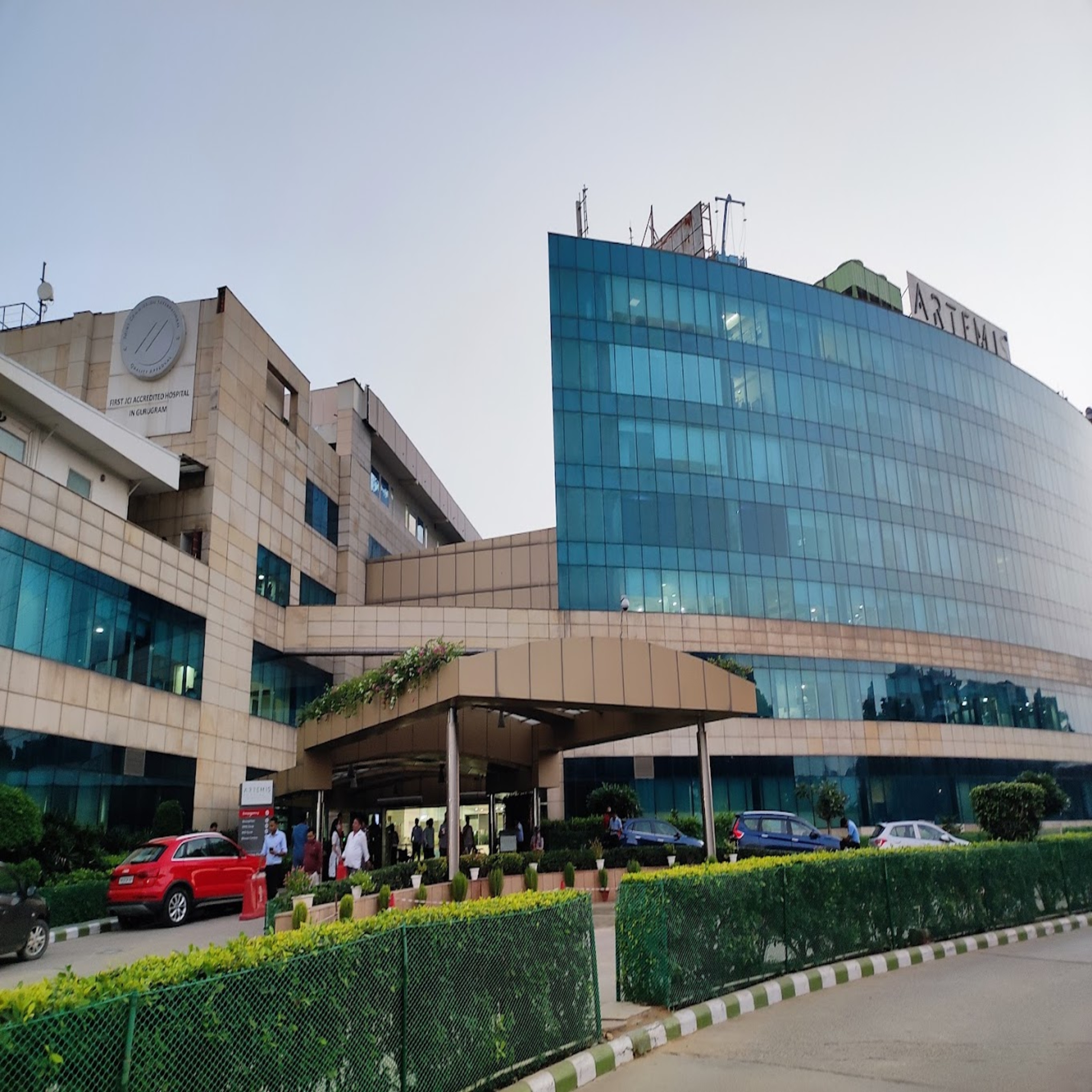
Artemis Hospital,Gurugram
Best Hospitals for Bone Marrow Transplant in India




Conclusion
Understanding the long term effects of bone marrow transplant helps patients prepare for life beyond treatment.
While some changes may last longer, most patients improve steadily with time and proper care.
Each recovery journey is unique. Staying informed, following medical advice, and maintaining regular follow-ups can make a big difference.
If you or a loved one is planning a transplant, speaking with a specialist early can help set realistic expectations and ensure better long-term outcomes.
FAQ:- Long Term Effects of Bone Marrow Transplant
Long term effects of bone marrow transplant may include fatigue, immune system weakness, hormonal changes, and organ function issues. These effects vary based on the patient’s condition and transplant type. Regular follow-up care helps manage these changes and supports long-term health.
Yes. Hospisity offers free medical opinions and cost estimates once you share your medical reports. This helps you plan your travel, budget, and treatment options with clarity.
Yes, many patients return to a normal life after recovery. They can work, travel, and perform daily activities. However, some may need to follow precautions and attend regular medical check-ups to maintain their health.
Recovery can take several months to one year. The immune system takes time to rebuild. Some patients recover faster, while others need more time depending on their overall health and transplant type.
No, donors usually recover fully and do not require lifelong medication.
You can choose from private hospital rooms, nearby hotels, serviced apartments, or guest houses. Hospisity helps you book safe, affordable accommodation for you and your attendant.
You can send reports via WhatsApp, email, or secure upload. Hospisity ensures your documents reach the right specialists for evaluation within 24–48 hours.
You should bring:
- Passport & medical visa
- Previous medical records and prescriptions
- Imaging CDs/scans
- Medical summaries
- Your local doctor’s consultation notes
Hospisity will provide a checklist to make travel easier.
Complications may include infections, graft-versus-host disease, and organ-related issues. These risks depend on individual factors. Doctors monitor patients closely to manage complications early and improve outcomes.
GVHD is a condition where donor cells attack the patient’s body. It is more common in allogeneic transplants. It can affect skin, liver, and digestive system. Treatment involves medications to control the immune response.
Yes, fertility may be affected, especially after chemotherapy or radiation. Some patients may experience reduced fertility or hormonal changes. Doctors may discuss fertility preservation options before treatment.
Bone marrow transplant is generally safe when performed in experienced centers. Long-term safety depends on patient health, donor match, and follow-up care. Most patients improve with proper medical support.
Follow-ups are frequent in the first year and reduce over time. Doctors monitor blood counts, organ health, and immune recovery. Regular visits are important to detect and manage any long-term issues.
Patients should maintain a healthy diet, exercise regularly, and avoid infections. Hygiene and routine medical care are essential. Lifestyle changes support recovery and improve overall health.
Yes, many international patients travel for treatment. Countries like India offer advanced care and experienced doctors. Medical support services help manage travel, treatment, and recovery.
The cost typically ranges from $14,000 to $38,000. It depends on the hospital, transplant type, and complications. This is more affordable compared to many Western countries.
Success rates vary from 80 to 95 percent depending on transplant type and patient condition. A good donor match and early treatment improve outcomes significantly.
Need Bone Marrow Transplant Treatment in India?
Get a Free Cost EstimateChat with Transplant Co-OrdinatorTop Doctors By Specialty
- Best Liver Transplant Doctors in India
- Best Cancer Doctors in India
- Best Cardiology Treatment Doctors in India
- Best Neurology Doctors in India
- Best Spine Surgery Doctors in India
- Best Orthopedic Treatment Doctors in India
- Best Urology Doctors in India
- Best ENT Doctors in India
- Best Kidney Transplant Doctors in India
- Best Bone Marrow Transplant Doctors in India
Top Hospitals By Specialty
- Best Organ Transplant Hospitals in India
- Best Cancer Hospitals in India
- Best Cardiology Treatment Hospitals in India
- Best Neurology Hospitals in India
- Best Spine Surgery Hospitals in India
- Best Orthopedic Treatment Hospitals in India
- Best Urology Hospitals in India
- Best ENT Hospitals in India
- Best Ophthalmology Hospitals in India
- Best Obesity Hospitals in India